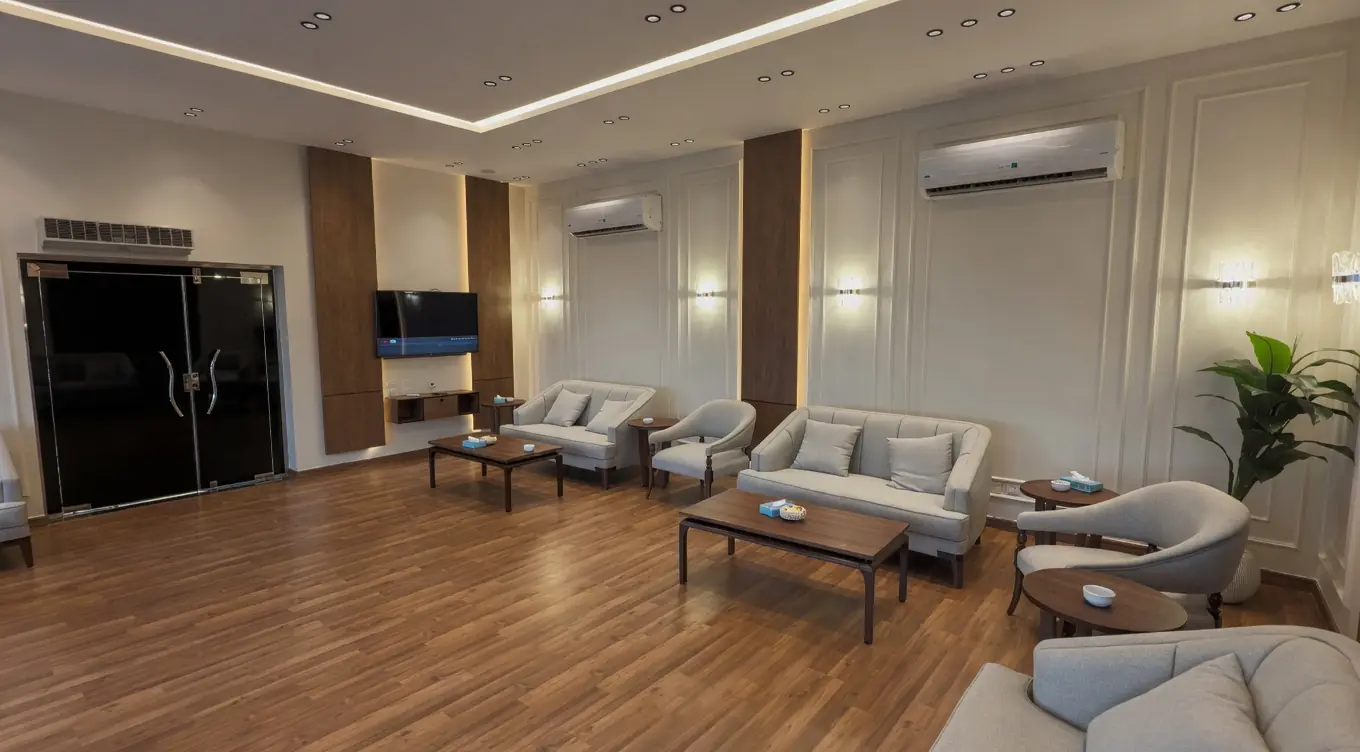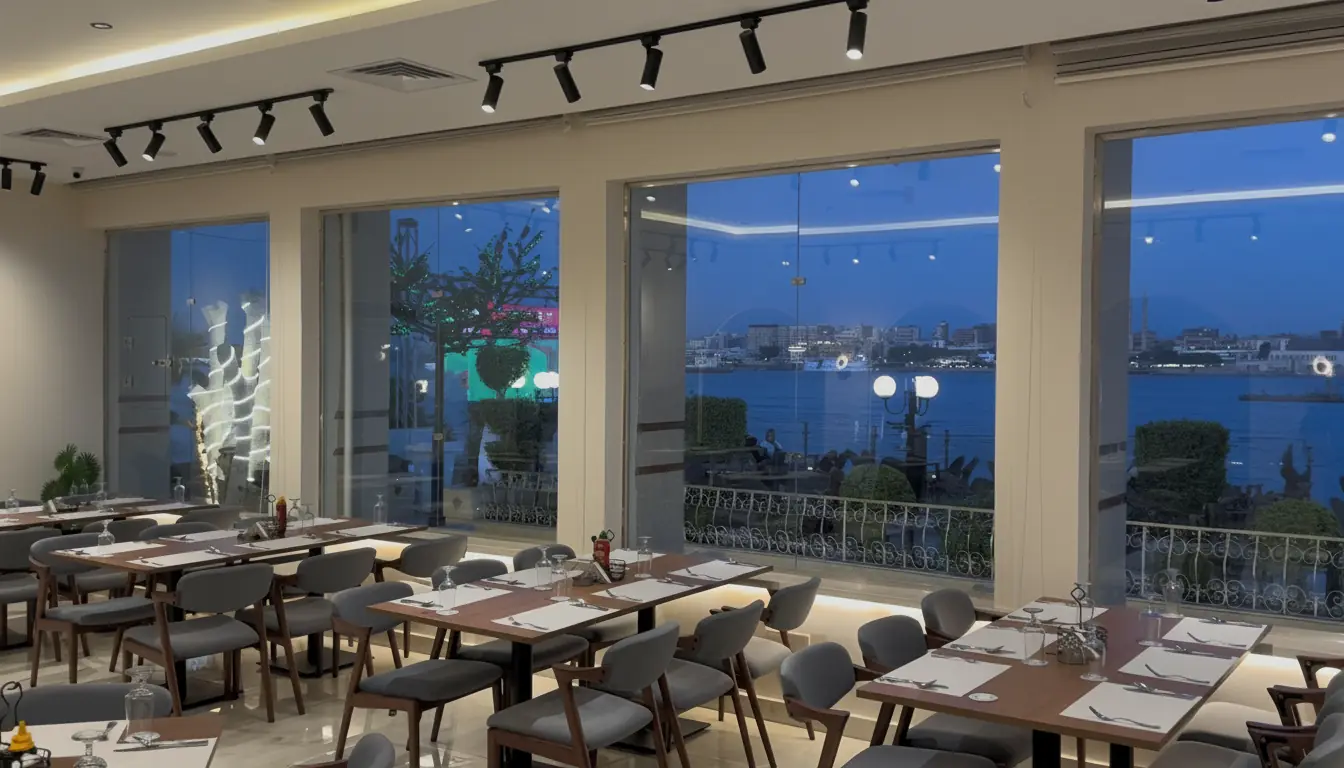
A restaurant interior works harder than any home. Floors are mopped nightly, tables wiped after every guest, chairs dragged all day and the kitchen runs hot for hours. The right materials still look good years after opening; the wrong ones look tired within months. Here is how to choose them, zone by zone.
01Dining-room floors: grip first, then looks
Spills, nightly mopping and rain at the entrance make slip resistance the first filter. Ask for the slip rating of every tile you shortlist, and go higher at the entrance, the bar and the service routes.
Porcelain is the safe default: dense, hard-wearing and barely absorbent. Natural stone such as marble is beautiful but porous; lemon and vinegar dull it, and polished stone turns slippery when wet. If you choose stone, use a honed finish and seal it.
Grout gets dirty first. Keep joints narrow, pick a mid-tone colour, and use epoxy grout where spills are common, since cement grout soaks up stains.
02Walls and seating: design for contact
Most wall damage happens at the height of chair backs, trolleys and shoulders. Protect that band with timber, laminate or tile cladding, and finish the wall above with washable paint in satin or eggshell, which wipes clean far better than flat matt. Add corner guards along service routes.
For seating, choose performance fabrics with a stain-resistant finish and a high abrasion rating, or commercial-grade vinyl that wipes clean in seconds. Avoid deep buttoning that traps crumbs, and ask for removable covers, so a worn seat can be refreshed without replacing the frame.
03Counters and table tops: heat, stains and scratches
Table tops take hot plates, coffee, oil and constant wiping. Test every option against all four.
- Quartz is non-porous and stain-resistant, ideal for bars and counters, but its resin can mark under direct heat, so use trivets.
- Marble looks classic but stains with oil and etches with acids. Choose it only if you accept a patina and regular sealing.
- Compact laminate is solid throughout, water- and impact-resistant, with no chipboard edge to swell: a practical, good-value table top.
Before approving a sample, leave coffee, oil and lemon juice on it overnight, put a hot plate on it, then clean it with the products your staff will actually use. What survives that will survive service.
04Kitchen and back-of-house: hygiene before looks
In the kitchen, finishes are judged by health inspectors, not guests. Every surface must be non-porous, easy to clean and resistant to heat and steam.
- Stainless steel for worktops and behind the cooking line.
- Glazed wall tiles with epoxy grout, or hygienic wall panels.
- Anti-slip tiles or a resin floor, with coved skirting so dirt has no corner to collect in.
- Floor drains set to the equipment layout, with the floor sloped towards them so water never pools.
So fix the equipment layout before the screed is poured: moving drains after tiling means breaking the floor.
05Ceilings, acoustics and lighting
Hard, easy-clean surfaces bounce sound, and a room of tile, stone and glass gets loud fast. Balance them with absorption: acoustic ceiling panels, perforated gypsum with an acoustic backing, timber slats over felt and upholstered banquettes. Leave ceiling access panels for AC and services, and use moisture-resistant boards near the kitchen.
Lighting decides how food looks on the plate and on guests’ phones. Use warm-white light with a high colour-rendering index (CRI), light the table rather than diners’ eyes, avoid mixing colour temperatures and put the dining room on dimmers. The kitchen needs bright, neutral light so staff can see food and dirt clearly.
06Plan for maintenance and replacement
Every surface will need repair one day, so plan for it from the start. Use this table when you review samples:
| Zone | What to look for | Materials that work |
|---|---|---|
| Dining floor | Slip resistance, low absorption | Matt porcelain, honed and sealed stone, epoxy grout |
| Lower walls | Washable, impact-resistant | Satin paint, timber or laminate cladding |
| Counters & tables | Heat and stain resistance | Quartz, compact laminate, sealed marble |
| Seating | Wipeable, hard-wearing | Performance fabric, commercial vinyl |
| Kitchen & back-of-house | Non-porous, heat-resistant, well drained | Stainless steel, glazed tiles, resin floor, coved skirting |
| Ceilings | Sound absorption, service access | Acoustic panels, perforated gypsum |
| Lighting | Warm, true colour, dimmable | Warm-white LED with high CRI |
- Keep spare tiles from the same batch on site.
- Record every finish: product, colour code, batch and supplier.
- Choose standard sizes and modular pieces, so you replace one item, not a whole run.
- Share each supplier’s cleaning instructions with your staff; the wrong chemical damages a surface faster than traffic.
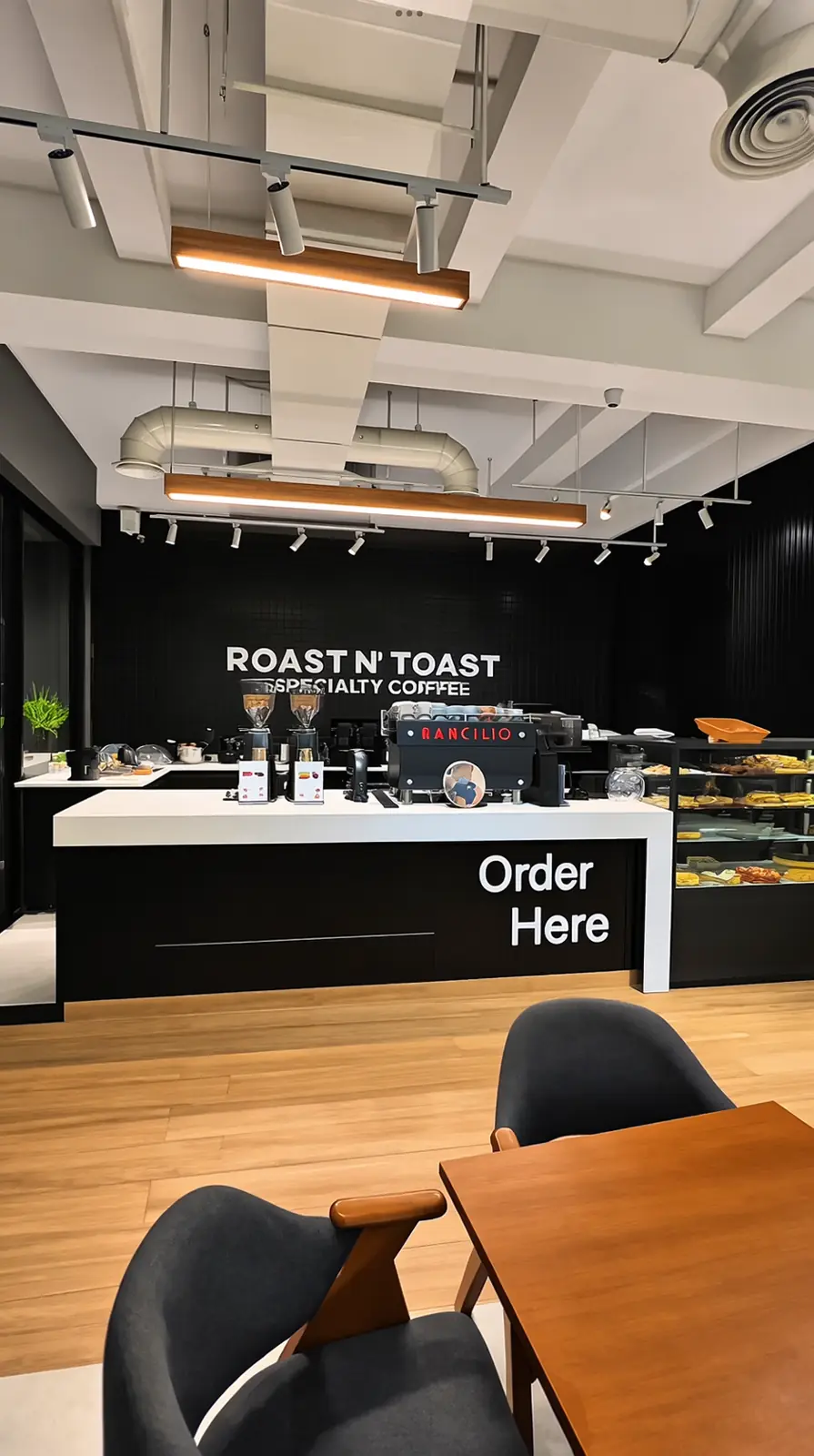
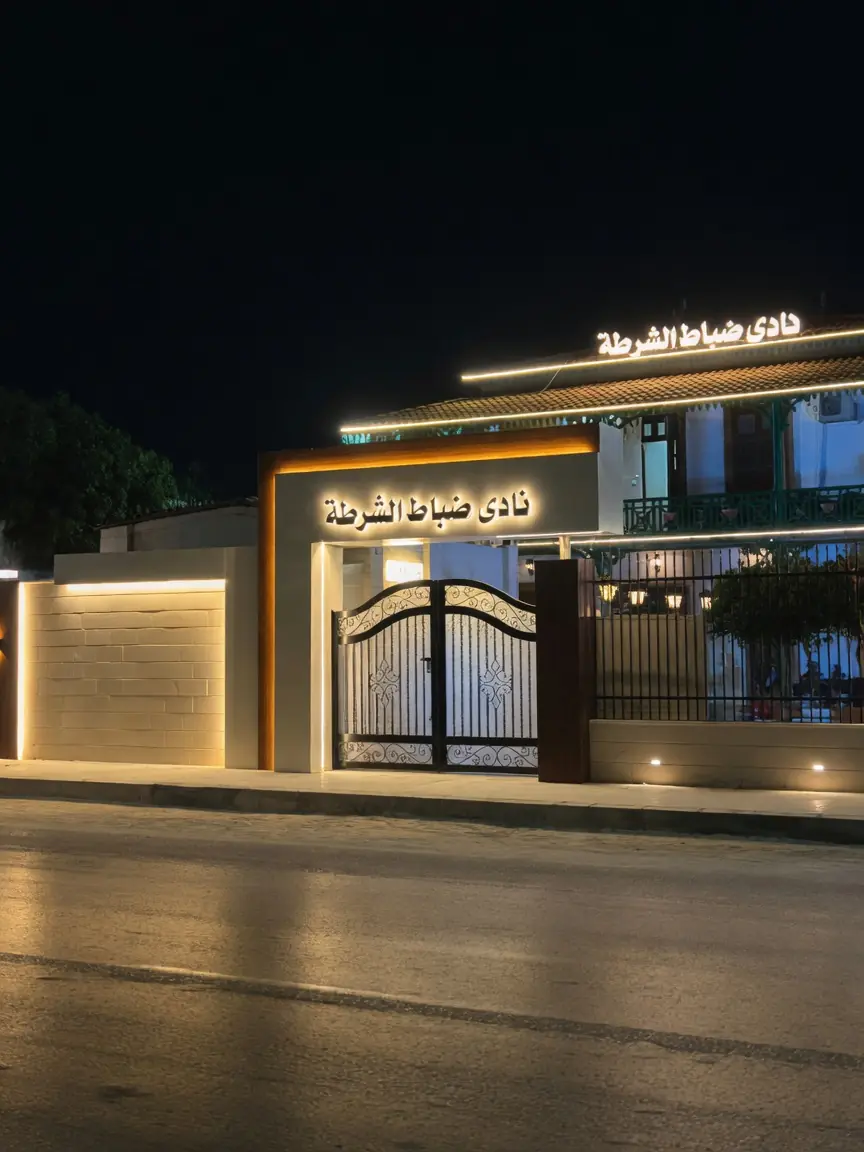
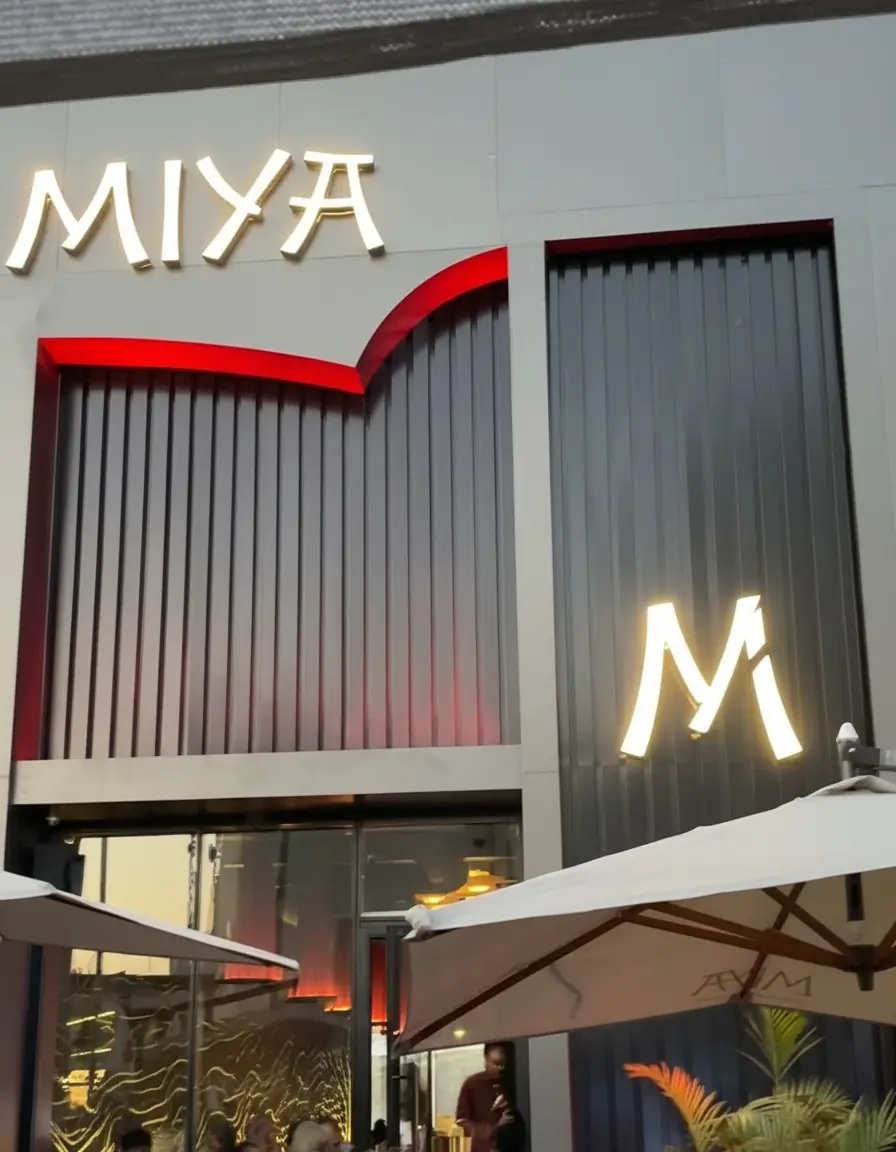
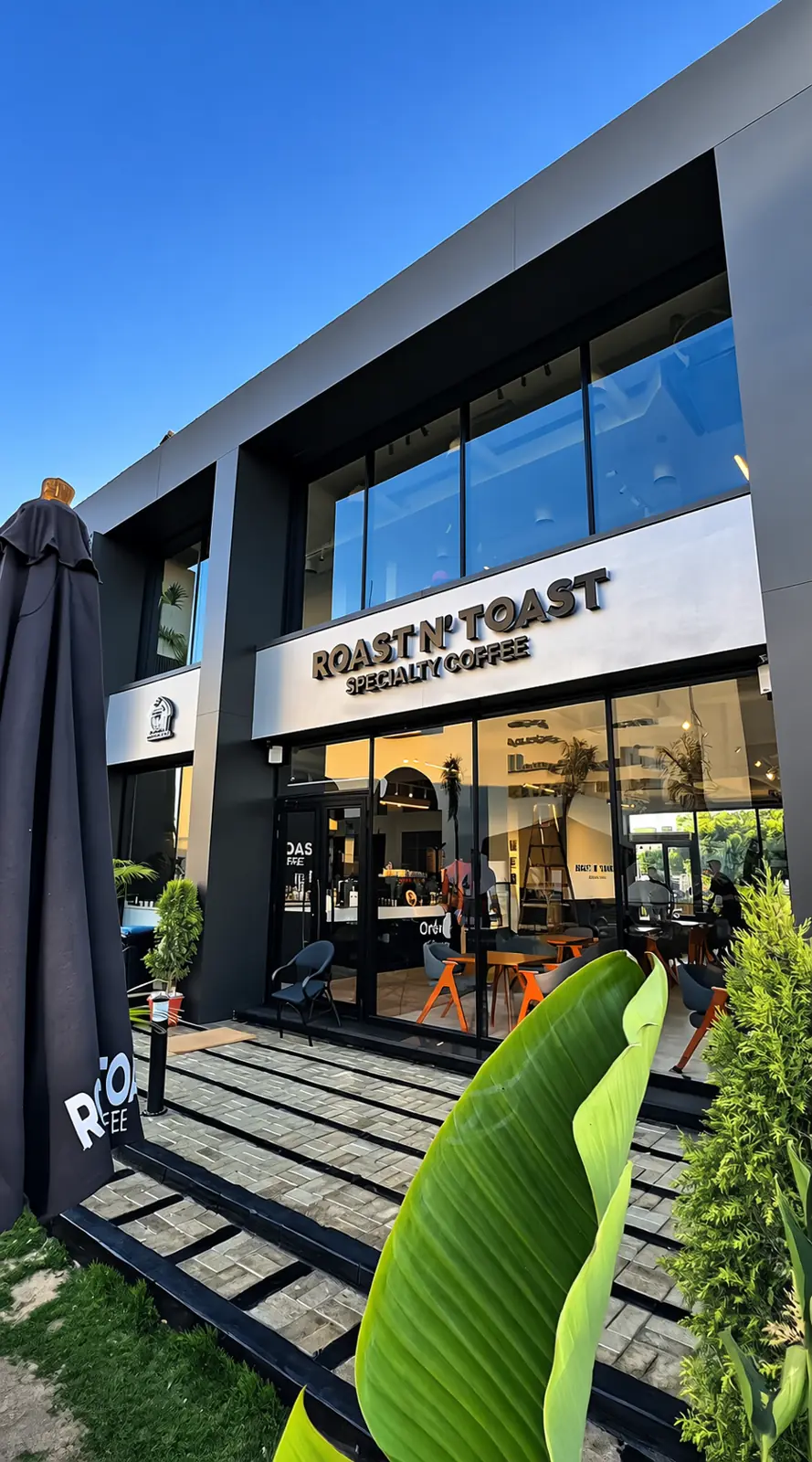
EMERGE built Miya, an Asian restaurant, and the Roast & Toast café in Ismailia, and redeveloped the VIP restaurant at the Police Officers Club in Ismailia. Planning a restaurant or café? Talk to us before you order materials.